


Keeping students and staff safe is a responsibility every school takes seriously. Achieving that goal requires more than locked doors or sign-in sheets. It demands an integrated approach that combines proactive planning, real-time awareness, and technology designed for modern campuses. One of the most effective tools schools can use today is a visitor management system for schools.
These systems give administrators visibility into who enters and exits campus, how long they stay, and where they go. Beyond tracking, they create accountability and streamline safety protocols that protect everyone on site. A visitor management system for schools replaces outdated paper logs with secure digital platforms that verify identities, monitor activity, and alert staff to potential threats before they escalate.
At Visitu, a Pikmykid brand, we’ve seen how digital visitor systems transform school safety. They make security processes smoother for staff and more transparent for parents. Let’s explore five powerful ways a visitor management system for schools enhances safety, efficiency, and confidence across campus communities.
1. Strengthening Screening and Verification at Entry Points
The foundation of school safety begins at the front door. A visitor management system for schools ensures that every individual who enters campus is identified, verified, and approved. Instead of a simple paper sign-in, visitors scan an ID, which the system checks against internal and external databases.
This verification step helps confirm whether the person is authorized to be on campus. It instantly flags anyone with a record of concern, an expired clearance, or a name that appears on a watchlist. For schools, this means fewer chances of unauthorized individuals gaining access to secure spaces.
Beyond verification, the system also tracks the visitor’s purpose and destination. It confirms whether they have a legitimate reason for being there, such as a scheduled meeting or event. Once approved, a temporary badge or digital pass is generated, clearly displaying their identity and visit type.
Visible identification makes it easy for staff to spot approved guests at a glance. It also deters individuals with harmful intent from attempting to enter. When everyone on campus knows that visitors are screened and tracked, accountability becomes part of the culture.
2. Maintaining Real-Time Awareness Through Digital Monitoring
Schools are dynamic environments, with parents, vendors, and volunteers arriving throughout the day. Without a clear monitoring process, it’s easy to lose visibility of who is on site. A visitor management system for schools provides real-time oversight by logging every entry and exit instantly.
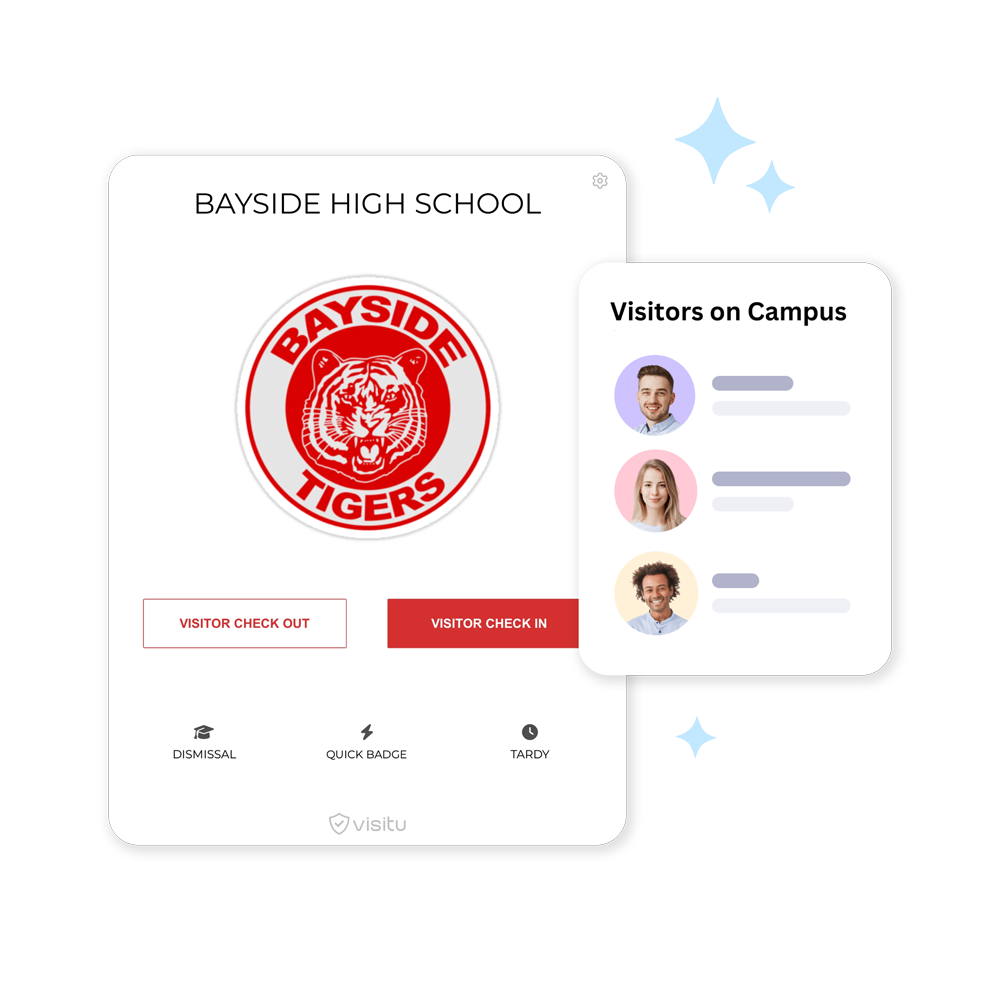
Administrators and security personnel can view live dashboards showing exactly who is on campus and where they should be. These systems record visitor times, destinations, and duration of stay, creating a comprehensive timeline of activity. That level of situational awareness helps schools maintain both safety and peace of mind.
3. Enhancing Emergency Response and Accountability
Emergencies can unfold quickly, and in those moments, information saves time—and lives. A visitor management system for schools provides instant access to critical data during lockdowns, evacuations, or fire drills. Administrators can see who is currently checked in, where they last scanned, and whether they’ve exited safely.
Without this technology, manual sign-in sheets can cause confusion. Staff may not know who’s still inside or where to look. With a digital record, there’s no guesswork. Schools can confirm that every visitor is accounted for, coordinate with first responders, and communicate updates more efficiently.
In evacuation scenarios, visitor data ensures that no one is left behind. Staff can print or access digital lists instantly, saving valuable time. During lockdowns, up-to-date visitor information allows security teams to lock specific zones or verify that all external guests are secure.
After an emergency, the system’s data helps administrators review procedures and refine future safety plans. For example, analyzing how quickly people exited can inform future drills or route adjustments. In this way, a visitor management system for schools becomes not only a tool for immediate response but also a cornerstone for long-term preparedness.
4. Knowing Where Visitors Should Be and When
Beyond real-time monitoring, schools also need a clear system for managing the flow of visitors throughout the day. A visitor management system for schools supports this by organizing how guests move through campus—ensuring visits stay structured, documented, and purposeful.
When visitors check in, staff assign their reason for being there and the person or department they’re meeting. This creates a clear, pre-defined path for their visit. If that meeting changes or runs long, staff can update or close the record to maintain accuracy.
This flow management helps avoid overcrowded office areas, unplanned hallway traffic, or confusion about where visitors should go next. It’s especially useful during events, conferences, or volunteer days, when large numbers of guests are on campus simultaneously.
The goal isn’t to restrict visitors—it’s to coordinate them. Knowing where each visitor is supposed to be, and ensuring their stay aligns with that plan, creates an organized environment that supports both safety and efficiency.
When visitors follow structured routes and expectations, staff can focus on what matters most: keeping learning environments calm, protected, and distraction-free.
5. Using Visitor Data to Drive Smarter Decisions
One of the most valuable yet underused aspects of a visitor management system for schools is its analytics capability. Every check-in, check-out, and alert adds to a growing data set that reveals meaningful patterns over time.
Administrators can review which entrances see the most traffic, identify peak visitor hours, and determine how long guests typically stay. These insights help schools make smarter staffing and scheduling decisions. For example, if one entrance experiences frequent surges in the morning, security personnel can be reassigned for better coverage.
The system can also identify unusual behavior patterns. Repeated visits from the same individual might indicate a potential concern, while sudden spikes in visitor activity may warrant additional monitoring. Over time, this data helps refine safety protocols, leading to continuous improvement.
Visitor data also supports strategic planning beyond safety. Schools can analyze how often vendors, maintenance teams, or substitute teachers visit. This helps with budgeting, scheduling, and evaluating external partnerships. By leveraging these insights, schools become more proactive rather than reactive in managing campus operations.
In essence, analytics turn visitor data into action. When used correctly, it transforms raw information into a blueprint for safer, smarter schools.
Creating a Safer, More Welcoming Environment
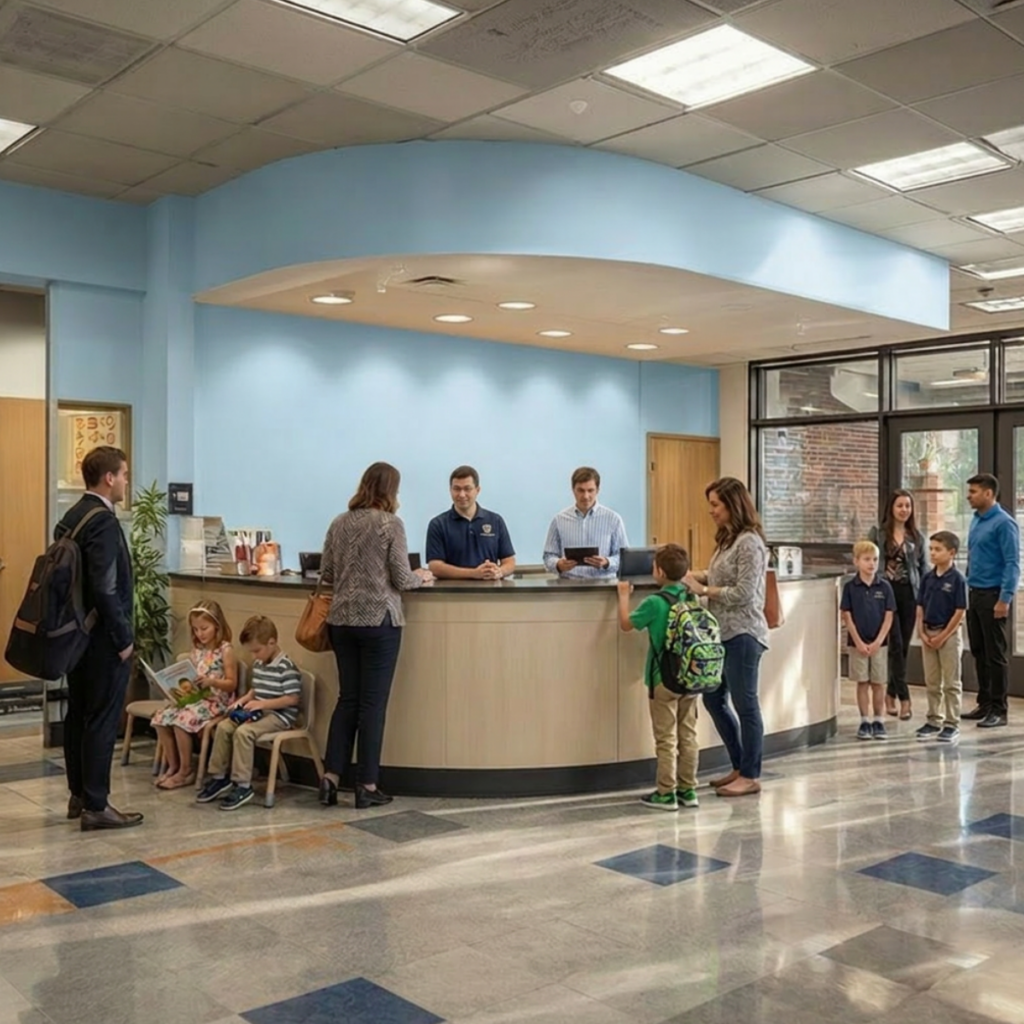
While technology strengthens security, it should never create barriers between schools and their communities. A visitor management system for schools achieves both safety and hospitality by simplifying the check-in process for approved guests. Parents can pre-register online, staff can pre-approve contractors, and frequent visitors can enjoy faster sign-ins.
This streamlined experience saves time while maintaining a secure perimeter. It shows parents and community members that the school values both safety and respect. A transparent process builds trust, which is essential when inviting families and partners into the learning environment.
When visitors see that safety is taken seriously, they feel reassured rather than restricted. This creates a positive first impression that reflects the school’s professionalism and commitment to care.
Integrating with Broader School Safety Systems
A visitor management system for schools doesn’t operate in isolation. It works best as part of an integrated safety ecosystem that includes emergency alert platforms, student information systems, and communication tools. When all systems share information, schools gain complete visibility and faster response capabilities.
For example, integration with emergency alert software allows immediate lockdown notifications if an unauthorized visitor attempts entry. Synchronizing with student databases ensures parent information is accurate for pickups and dismissals. Connection with district-level dashboards helps leaders oversee safety across multiple campuses in real time.
These integrations eliminate the gaps that often slow down response efforts. They unify the tools that staff already use, creating a seamless network of protection across every layer of the campus.
Building a Data-Driven Culture of Safety
Technology is only as effective as the people using it. To get the most from a visitor management system for schools, districts must foster a culture of data-driven awareness. Staff should understand how the system works, why it matters, and how to interpret the information it provides.
Training sessions and regular refreshers help ensure consistency. Security teams should review reports together, discussing trends and potential improvements. When every staff member understands their role in the system, safety becomes a shared responsibility.
In time, data-driven practices move beyond compliance to collaboration. Teachers, office staff, and administrators all use insights to strengthen routines and anticipate challenges. This mindset shift turns technology into empowerment—helping everyone contribute to a safer, more connected community.
Looking Ahead: The Future of Visitor Management
The future of school security will depend on flexibility and foresight. As technology evolves, visitor management systems for schools will continue to play a central role.
Mobile-based check-ins and digital IDs will further streamline access for approved visitors, while improving security through encrypted verification. Integration with emergency systems will become even more advanced, giving schools faster ways to respond to developing situations.
As these innovations grow, the principle remains the same—safety through visibility, accountability, and trust. Schools that adopt these systems today position themselves for success tomorrow. They create environments where safety supports learning, rather than limiting it.
Final Thoughts
Safety isn’t just about protecting students; it’s about empowering entire communities to feel confident every day. A visitor management system for schools helps make that possible. By verifying visitors, managing access, monitoring activity, and analyzing trends, these systems provide both security and peace of mind.
For schools ready to take the next step, investing in a digital visitor management platform is more than a technology choice—it’s a leadership decision. It shows commitment to innovation, efficiency, and the well-being of every person on campus.
Because when safety and technology work together, schools don’t just prevent risks—they build stronger, more connected communities ready for whatever the future brings.