


Attendance has long been viewed as an academic metric. Schools track absences to monitor performance, reduce truancy, and comply with state reporting requirements. Yet attendance is far more than an academic record. It is a safety responsibility.
Understanding how digital attendance tracking improves student safety requires shifting the conversation from compliance to campus visibility. When schools know exactly who is on campus, who left early, and who never arrived, they operate from a position of clarity rather than assumption.
In an era where school safety expectations continue to rise, real-time attendance tracking for schools has become foundational to emergency preparedness and daily accountability.
Why Attendance Is a Critical Safety Issue
Every emergency response begins with one question: Who is here?
Without accurate attendance data, school leaders must rely on manual roll calls, incomplete records, or delayed updates. That delay creates risk. During lockdowns, evacuations, or severe weather events, seconds matter.
Manual attendance processes introduce friction into that response. Teachers may submit paper forms. Front offices may reconcile spreadsheets. Administrators may struggle to determine whether a student is absent, off campus, or simply unaccounted for.
This is where understanding how digital attendance tracking improves student safety becomes essential. Digital systems provide immediate confirmation of student presence, absence, and movement across the school day. Instead of reconciling data under pressure, administrators access centralized dashboards that show real-time attendance status.
Attendance visibility becomes safety visibility.
The Safety Gaps in Traditional Attendance Tracking
Many schools still rely on paper-based or partially digitized attendance systems. While these systems may satisfy reporting requirements, they often fall short during emergencies.
Traditional tracking creates several safety gaps:
- Delayed reporting between classrooms and front offices
- Inconsistent procedures across campuses
- Manual reconciliation during drills or incidents
- Limited district-level visibility
In high-stress situations, staff members may need to confirm who never arrived, who signed out early, or which students are off campus for appointments. Without centralized, school safety attendance software, those answers require time-consuming phone calls or manual record checks.
Understanding how digital attendance tracking improves student safety starts with acknowledging these operational blind spots. Fragmented systems slow response. Centralized systems accelerate it.
How Digital Attendance Systems Improve Campus Visibility
A modern student attendance system for school safety does more than record absences. It provides dynamic, real-time updates throughout the entire school day.
Digital attendance tracking monitors:
- Absences
- Tardies
- Early dismissals
- Students off campus for activities
- Students returning from appointments
Instead of siloed classroom data, administrators access a unified dashboard that reflects current campus occupancy. That dashboard becomes a living safety tool.
Real-time attendance tracking for schools also reduces administrative guesswork. Staff members no longer rely on handwritten notes or delayed submissions. They view immediate updates that reflect the present moment.
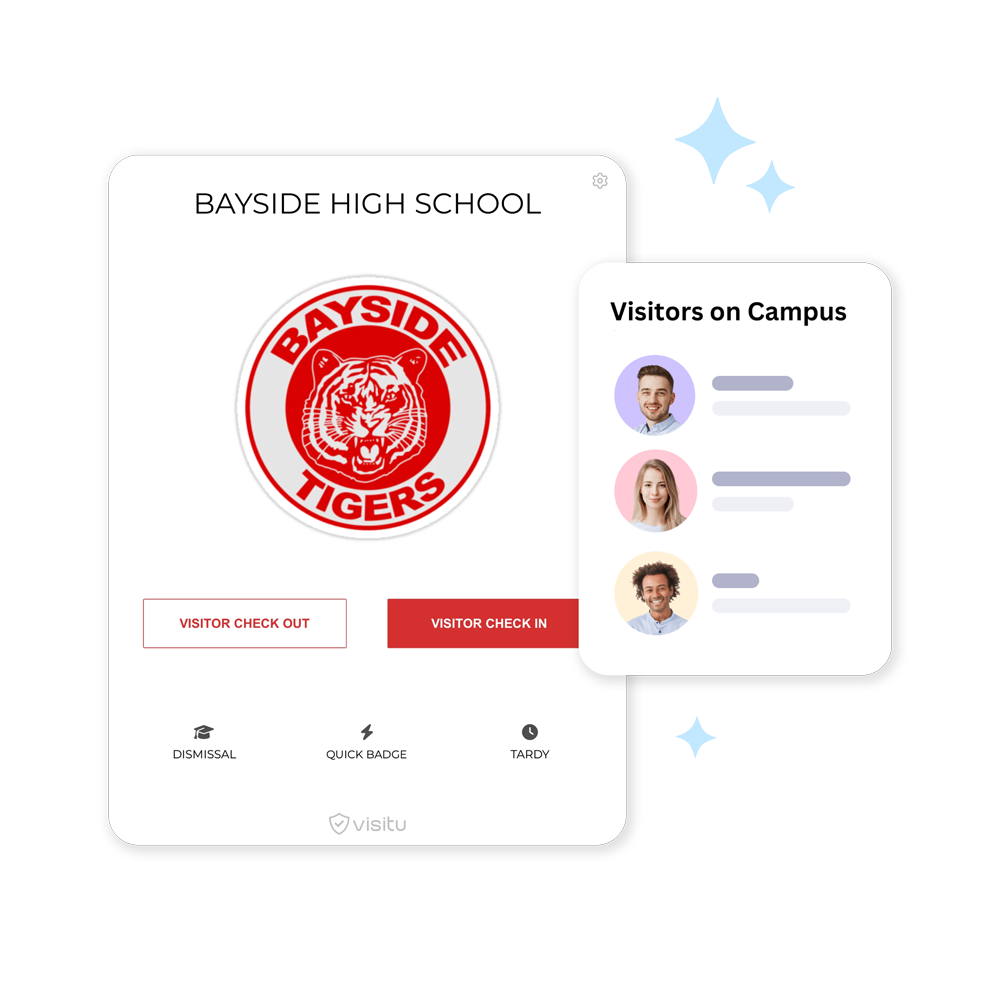
Platforms like Visitu provide instant visibility into student presence and movement, strengthening campus visibility solutions that integrate attendance with broader safety workflows. This is a clear example of how digital attendance tracking improves student safety by replacing static reports with real-time operational intelligence.
Supporting Emergency Response with Real-Time Attendance Data
Emergency response depends on accurate headcount. During lockdowns or evacuations, administrators must quickly identify missing students and confirm safe locations.
Digital attendance systems support emergency attendance visibility by answering critical questions immediately:
- Which students are absent today?
- Which students left early?
- Which students never checked in?
- Which students are currently off campus?
Without digital tracking, schools manually reconcile these details while managing the crisis itself. With digital tracking, they access verified records instantly.
Understanding how digital attendance tracking improves student safety means recognizing that emergencies reveal operational strengths and weaknesses. Real-time systems eliminate uncertainty. They reduce manual reconciliation. They support coordinated decision-making.
In drills, this visibility allows schools to practice accountability procedures accurately. In real incidents, it protects both students and institutional credibility.
Improving Accountability for Students, Staff, and Parents
Attendance systems also play a key role in everyday accountability. Clear, time-stamped records reduce disputes and improve communication.
Automated parent notifications for absences and tardies strengthen transparency. When families receive immediate updates, they can confirm legitimate absences or identify unexpected issues quickly.
This reduces miscommunication and enhances trust between schools and families.
Digital student monitoring systems provide documentation that protects staff decisions. They show who recorded attendance, when changes were made, and how student status evolved during the day.
By strengthening documentation and communication, schools demonstrate how digital attendance tracking improves student safety beyond emergency scenarios. Safety is not just response; it is daily clarity.
Attendance Data as a Preventive Safety Tool
Attendance insights can also identify patterns that signal emerging concerns.
Frequent early dismissals may indicate transportation challenges. Repeated tardiness may highlight supervision gaps. Sudden changes in attendance behavior may warrant counselor intervention.
School safety attendance software allows administrators to analyze attendance trends proactively. Instead of reacting to isolated incidents, leaders identify patterns early.
This proactive approach illustrates how digital attendance tracking improves student safety by enabling preventive action.
Counselors and administrators can intervene before issues escalate. Data becomes a support tool, not just a reporting requirement.
Benefits of Safety-Focused Digital Attendance Systems
When attendance systems prioritize safety, schools experience measurable operational benefits.
First, response time improves during incidents. Administrators access real-time information rather than reconstructing records manually. Second, administrative stress decreases. Unified dashboards eliminate redundant paperwork and repetitive phone calls. Third, parent confidence increases. Families trust systems that communicate clearly and consistently. Finally, documentation strengthens compliance and board reporting. Digital systems provide audit-ready records that demonstrate accountability.
These advantages reinforce how digital attendance tracking improves student safety across both routine and high-stakes situations.
Why Schools Are Moving Toward Digital Attendance for Safety
School safety expectations have evolved. Districts are no longer evaluated solely on having policies in place. They are evaluated on operational readiness.
Attendance systems now sit within a broader ecosystem of campus visibility solutions that include visitor management, emergency alerts, and student movement tracking.
Modern schools recognize that student on/off campus tracking supports emergency preparedness. They shift from reactive attendance management to proactive safety management.
Real-time attendance tracking for schools aligns with this shift. It provides clarity during routine operations and resilience during crisis events.
Understanding how digital attendance tracking improves student safety positions attendance as an integral part of a comprehensive safety strategy.
Attendance Visibility Is Safety Visibility
When leaders evaluate safety readiness, they often focus on drills, communication systems, and reunification plans. Yet attendance visibility underpins each of those components.
If schools cannot quickly confirm who is present, they cannot coordinate effective response.
How digital attendance tracking improves student safety becomes clear when attendance data flows seamlessly into emergency workflows. Real-time dashboards, automated notifications, and centralized reporting transform attendance from paperwork into protection.
Digital attendance systems empower schools to operate confidently, communicate transparently, and respond decisively.
In today’s safety landscape, attendance visibility is not optional. It is foundational.
Frequently Asked Questions (FAQ)
How does digital attendance tracking improve student safety?
Digital attendance tracking improves student safety by providing real-time visibility into who is on campus, reducing manual reconciliation during emergencies, and supporting accurate headcount.
Why is real-time attendance tracking important during emergencies?
Real-time attendance tracking allows administrators to quickly identify missing students, confirm early dismissals, and coordinate response without delays caused by paper records.
What features should a student attendance system for school safety include?
A safety-focused attendance system should include centralized dashboards, automated parent notifications, time-stamped records, and integration with emergency response workflows.
How does attendance data support preventive safety efforts?
Attendance data reveals patterns such as frequent absences or irregular dismissals, allowing administrators and counselors to intervene before concerns escalate.