


Attendance has always been part of school operations. Teachers take roll. Offices record absences. Reports get submitted. On the surface, it feels routine. But underneath that routine lies one of the most underutilized data sources in K-12 education. Attendance is not just a record of who showed up. It is a signal. It reflects engagement, safety, operational efficiency, and even long-term student outcomes. Schools that rely only on basic counts miss the deeper story. They see numbers, but not patterns. They capture data, but not insight. This is where attendance reporting for schools evolves. Modern systems transform attendance into actionable intelligence that supports decisions across the entire campus.
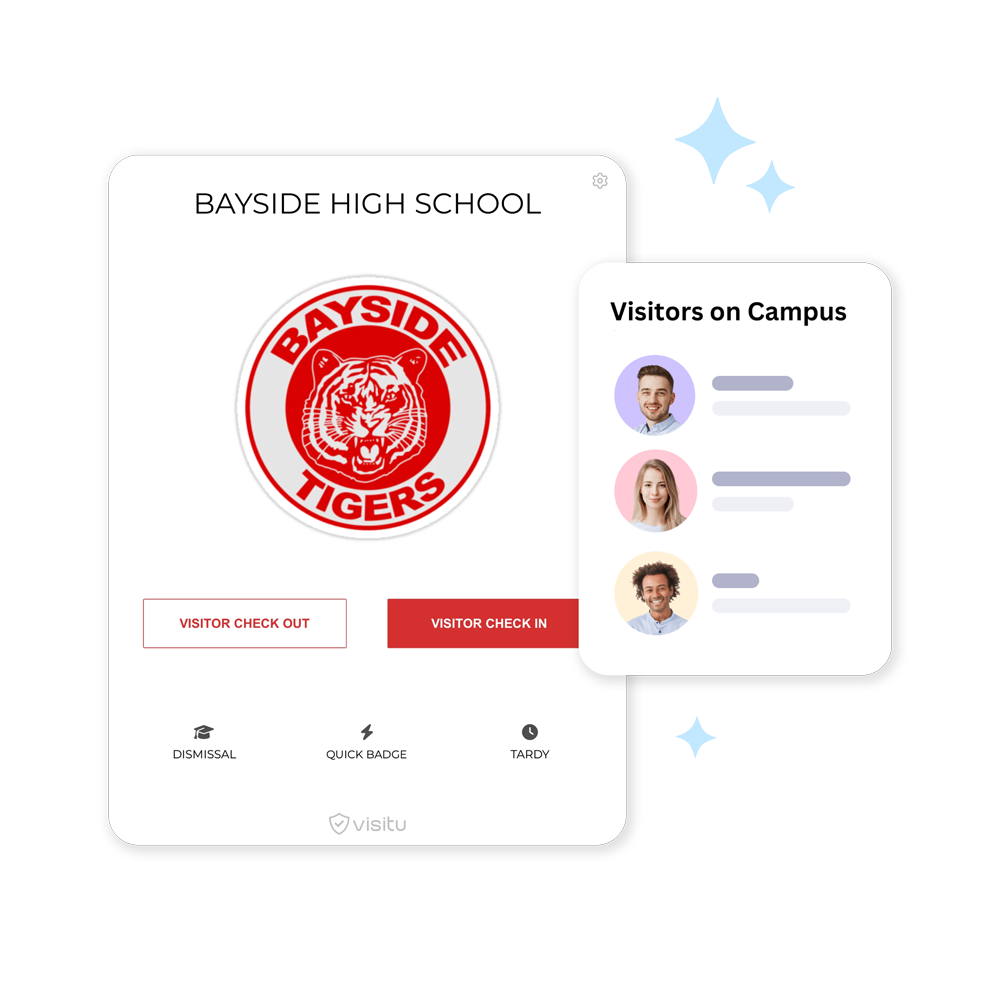
Solutions like Pikmykid Visitu help schools move beyond spreadsheets and into real-time analytics that drive clarity, accountability, and improvement.
Why Attendance Data Is More Than Just a Record
For years, attendance tracking served one primary purpose: compliance.
Schools needed to document presence for funding, reporting, and accountability. While that requirement still exists, it represents only a fraction of the value attendance data can provide.
Basic attendance counts answer simple questions:
- Who is here?
- Which student was absent?
But modern student attendance analytics answer more important ones:
- Which students are at risk?
- Where are patterns emerging?
- What operational gaps exist?
- How quickly can we respond during an incident?
Without analytics, schools operate reactively. They respond after issues appear.
With structured attendance reporting for schools, administrators gain the ability to anticipate challenges and act earlier. They begin to see trends, not just daily snapshots.
This shift transforms attendance from a passive record into an active decision-making tool.
Key Attendance Metrics Every School Should Track
Understanding which data points matter is the foundation of effective reporting.Schools often collect more data than they use. The goal is not volume. It is clarity.
Daily Attendance Rates
Daily attendance provides a baseline for school-wide engagement. Monitoring trends over time helps identify seasonal dips, grade-level patterns, or systemic issues.
Absences: Excused vs Unexcused
Not all absences carry the same implications. Differentiating between excused and unexcused absences allows schools to identify behavioral concerns and potential intervention needs.
Tardiness Frequency
Frequent tardiness often signals underlying challenges, such as transportation issues or disengagement. Monitoring patterns helps schools intervene before problems escalate.
Early Dismissals
Early dismissals impact instructional time and can indicate family or scheduling challenges. Monitoring these trends provides insight into broader operational or engagement issues.
Students Off Campus
Real-time awareness of which students are off campus is critical for both operations and safety. This data becomes especially important during emergencies or drills.
When schools align these metrics within a centralized system, attendance data insights for K-12 environments become clearer and more actionable.
Using Attendance Analytics to Identify At-Risk Students
One of the most powerful outcomes of effective reporting is early identification of at-risk students. Chronic absenteeism rarely happens overnight. It develops gradually, often starting with small patterns that go unnoticed. A few missed days. A recurring tardy. An increase in early dismissals.
Without analytics, these signals remain isolated. With attendance trend analysis, schools can connect these patterns and identify students who need support before issues compound.
This shift allows schools to move from reactive intervention to proactive support.
Counselors and intervention teams can:
- Identify students trending toward chronic absenteeism
- Recognize behavioral or engagement patterns
- Initiate conversations earlier
- Coordinate support services more effectively
This proactive approach strengthens student outcomes while reducing long-term intervention needs.
It also reinforces a core principle: attendance data is not just administrative. It is deeply connected to student success.
Attendance Data for School Safety & Accountability
Attendance reporting also plays a critical role in school safety. During an emergency, one question becomes immediate: Who is on campus right now?
Accurate, real-time attendance data provides that answer. Digital systems ensure administrators can quickly account for students during drills, lockdowns, or unexpected incidents. This visibility supports faster, more informed decision-making.
Beyond emergencies, attendance data contributes to accountability.
Schools must maintain accurate records for audits, district reviews, and compliance reporting. Inconsistent or delayed data introduces risk.
Strong attendance reporting for schools ensures that:
- Records remain accurate and up to date
- Documentation is readily accessible
- Reporting processes are consistent
- Schools can respond confidently to audits
This level of reliability strengthens both operational confidence and community trust.
Improving Operational Efficiency with Attendance Insights
Attendance tracking touches multiple roles across a school. Teachers record data. Front offices reconcile it. Administrators analyze it. When systems are disconnected, inefficiencies multiply. Manual processes create delays. Data entry errors increase. Staff spend time correcting issues instead of focusing on higher-value work.
Modern school data dashboards streamline these workflows. They centralize attendance information, automate updates, and reduce duplication.
This creates measurable improvements:
- Faster attendance reporting
- Reduced administrative workload
- Fewer data inconsistencies
- Improved collaboration across teams
Attendance insights also inform staffing and scheduling decisions.
Patterns in tardiness or early dismissals may highlight operational bottlenecks. Identifying these trends allows schools to adjust processes and improve overall efficiency.
Compliance & Reporting Requirements for Schools
Compliance remains a critical aspect of attendance tracking. State and district requirements demand accurate, timely reporting. Errors can lead to funding discrepancies or audit challenges. Manual systems increase the likelihood of mistakes.
Data must be reconciled across multiple sources. Reports must be compiled manually. Small inconsistencies can create larger issues. Digital systems simplify this process.
Automated attendance compliance reporting ensures data remains consistent and audit-ready.
Schools benefit from:
- Real-time data synchronization
- Standardized reporting formats
- Reduced reconciliation work
- Greater confidence in submitted reports
For a deeper understanding of how modern systems support compliance and efficiency, schools can explore this resource: “A Comprehensive Guide to Attendance Management Systems for Schools.”
This guide outlines how integrated attendance systems improve both reporting accuracy and operational performance.
Turning Attendance Reports into Actionable Decisions
Collecting data is only the first step. The real value lies in how schools use it. Modern systems provide customizable dashboards that allow administrators to filter and analyze attendance data in meaningful ways.
Schools can:
- Segment data by grade level or student group
- Monitor trends over time
- Compare attendance patterns across campuses
- Identify areas requiring intervention
Sharing insights also matters. Attendance data should not remain isolated within administrative teams. Teachers, counselors, and leadership all benefit from visibility.
When schools align around shared data, decision-making becomes more consistent and informed. This approach supports data-driven school decisions that improve both operations and student outcomes.
Continuous improvement becomes possible when schools regularly review attendance data, adjust processes, and measure results.
Benefits of Digital Attendance Reporting Systems
Digital attendance systems provide advantages that extend beyond efficiency. They create a foundation for transparency, accountability, and long-term improvement.
Key benefits include:
Centralized, Real-Time Reporting
All attendance data lives in one system, updated instantly across the school.
Access to Historical and Trend Data
Schools can analyze patterns over time, not just daily snapshots.
Improved Transparency
Administrators, teachers, and parents gain clearer visibility into attendance patterns.
Data Consistency Across Systems
Integration ensures records remain accurate and aligned across platforms.
These capabilities transform attendance reporting for schools into a strategic advantage rather than an administrative task.
From Attendance Tracking to Strategic Insight
Attendance tracking has always been essential. But its role is evolving. Schools no longer need to rely on spreadsheets or delayed reports to understand attendance patterns. With the right tools and approach, attendance data becomes a powerful source of insight. It supports early intervention. Gives the ability to strengthen safety. These tools improve operational efficiency, while driving better decisions.
Solutions like Pikmykid Visitu help schools make this transition by providing real-time reporting, integrated workflows, and scalable analytics designed for K-12 environments.
When schools invest in modern attendance reporting systems, they move beyond tracking presence.
They begin to understand behavior, identify trends, and act with confidence.
That is the true value of attendance reporting for schools.
FAQ: Attendance Reporting & Analytics for Schools
What is attendance reporting for schools?
Attendance reporting for schools involves collecting, analyzing, and presenting attendance data to improve decision-making, compliance, and student outcomes.
Why is student attendance analytics important?
Student attendance analytics helps schools identify trends, detect at-risk students early, and improve engagement through data-driven insights.
What are the most important attendance metrics to track?
Schools should track daily attendance rates, absences, tardiness, early dismissals, and real-time student presence on campus.
How does attendance data support school safety?
Real-time attendance data provides accurate student counts during emergencies, enabling faster and more effective response.